
Close
Close
Based on the concept of work-life enrichment–where “work” and “life” mutually influence and enhance one another–the Lion Group provides various types of support aimed at helping employees achieve a more autonomous and flexible work-life balance. Through initiatives in such areas as childcare and nursing care support as well as financial planning education we create an environment where employees can work with peace of mind, establishing a mutually beneficial cycle in which a fulfilling personal life leads to improved job performance.
We are committed to helping each employee realize their personal aspirations for the medium to long term as well as the day-to-day lifestyles they desire.
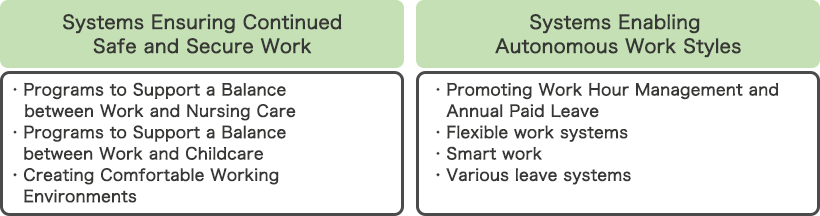
For individual employees to be able to continue working with peace of mind over the long term, it is necessary to expand the range of life planning options for events that have a large impact on life, such as nursing care and childcare.
We have enhanced support for employees engaged in nursing care of family members as part of efforts to create an environment that allows employees to continue to work with peace of mind while handling such responsibilities. In addition to ordinary annual paid leave, we have in place programs to support nursing care providers, including nursing care leave of up to 365 days, shorter work hours for nursing care (short hours flextime system), nursing care leave and accumulated leave for nursing care (accumulated expired annual paid leave). Furthermore, we have set up a support website to better provide information on nursing care, including videos of caregiving seminars for managers and individuals.
| Nursing care | 365 days of nursing care leave |
|
|---|---|---|
| Shorter work hours for nursing care (short hours flextime system) |
|
|
| Nursing care leave |
|
|
| Accumulated leave (Close relative nursing care) |
* Accumulated paid leave may also be taken for the employee’s own medical care or for volunteering |
We are expanding related programs in line with our action plans based on the Act on Advancement of Measures to Support Raising Next-Generation Children and the Act on Promotion of Women’s Participation and Advancement in the Workplace and working to increase awareness among employees. As a result of these efforts, in 2025, 97.3% of eligible female employees at Lion Corporation (under the Act on Childcare Leave, Caregiver Leave, and Other Measures for the Welfare of Workers Caring for Children or Other Family Members, applicable to full-time employees only, full-time contract employees are excluded) took childcare leave. The number of male employees taking childcare leave is rising, reaching 90.2% across a wide range of departments.* There are concerns that during an employee’s child-rearing years they may feel a drop in motivation and a sense of uncertainty about career development. Therefore, we have established a support service that offers employees the option of consulting with career counselors regarding their career paths after returning to work from a period of leave or if they encounter difficulties balancing work and childcare. We also hold individual briefings on our childcare support policies, attended by supervisors, to ensure a clear understanding of the system, as well as seminars for employees returning to work and consultations before and after their return to help them transition smoothly and support their ongoing career development.
Furthermore, to support working parents, we have implemented a new hybrid work approach combining reduced-hour shifts with flexible working hours (the Short-Time Flex System). (The standard flex-time system is available to all employees, with the exception of certain factory workstations.)
* Based on calculations of the percentage of childcare leave, etc., used in accordance with the Child Care and Nursing Care Leave Law
| Childbirth | Maternity leave |
|
|---|---|---|
| Special leave for spouse’s childbirth |
|
|
| Childcare | Childcare leave for birth |
|
| Childcare leave |
|
|
| Shorter work hours for childcare |
|
|
| Exemption from overtime work |
|
|
| Leave to nurse sick children |
|
* Initial leave is the first leave taken, either for childbirth leave or childcare leave
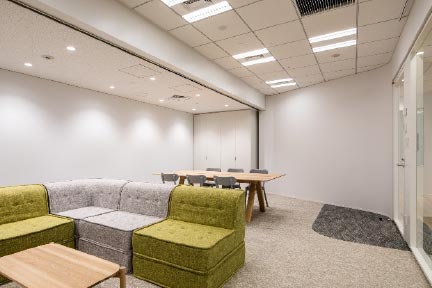
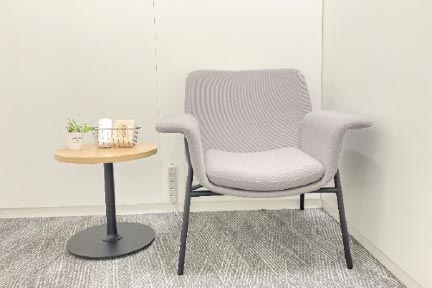
When Lion relocated its head office in 2023, it installed family rooms and nursing rooms to enable employees who are raising children to work with peace of mind, as well as enable them to bring their children to work as necessary.
Perspectives of Employees Balancing Work and Childcare
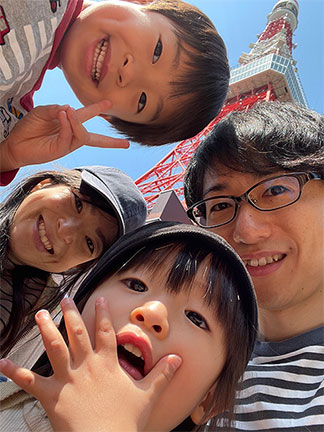
I used Lion’s childcare leave twice after each of my children were born. Lion’s various support systems had been well established when I had my first child, but they were further strengthened by the time I had my second child, and I felt that the Company had created a very comfortable working environment for mothers. I was very anxious about returning to work after childcare leave, especially after having my second child, because I could not imagine a life of raising two children while working. However, when I attended the Back-to-Work Seminars, I heard stories from more experienced mothers and was able to get a better picture of what it is like to balance work and family life. Talking with other mothers who were returning to work at the same time made me feel like I could do my best, and Lion’s systems were being improved, so I was able to look at returning to work in a positive light.
I met my husband while working at Lion, and when I had my second child, he was also able to take childcare leave. The Company as a whole is very supportive of parenting, regardless of gender, so we were able to enjoy raising our children without hesitation, which I appreciated.
Now, I am currently utilizing the short hours flextime system, the full flex system, and the telecommuting system. In addition, my superiors and coworkers are very understanding, so I am able to work in a flexible manner, which is very helpful, I feel that I am truly blessed to be able to work while raising my children.
To achieve the daily lifestyles that employees seek, it is necessary to reduce overtime and long work hours, make the leave system more accessible and increase flexibility in work hours and locations.
We have consistently been working to reduce long work hours and encouraging employees to take annual paid leave. While promoting understanding through compliance training (e-learning) on work hour management, we are also working to achieve an 80% paid holiday acquisition rate.
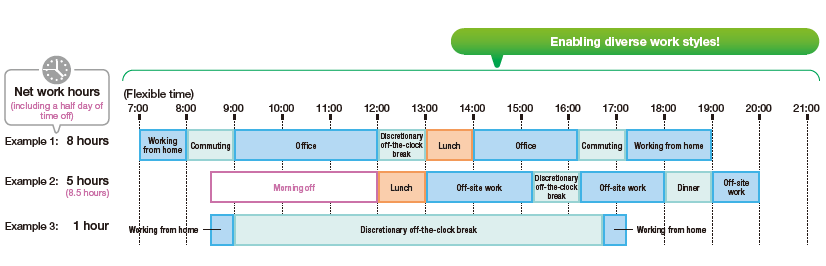
Since 2015, we have implemented a work-from-home system that promotes flexible work styles not bound to specific workplaces. This was done with the aims of accommodating autonomous work styles in line with the diversity of our employees and increasing productivity. In January 2021, we reinforced our telecommuting and full-flex systems (eliminating core time and enabling employees to take discretionary off-the-clock breaks), giving employees the choice of when and where to work.
This shift toward more independent work styles that accommodate diverse needs has resulted in a usage rate for these systems of around 50%. The practice of adapting work styles to suit individual needs continues to take root, helping improve professional fulfillment. Furthermore, because it is difficult to enable production site employees to freely set their own hours, we have established a system for such employees to take time off in hourly increments, not only for child and nursing care, but also for things that do not require a lot of time off such as family pick-up and drop-off, going to the doctor or school events. This system makes it easier for employees to balance their private lives and work, helping to bolster motivation.
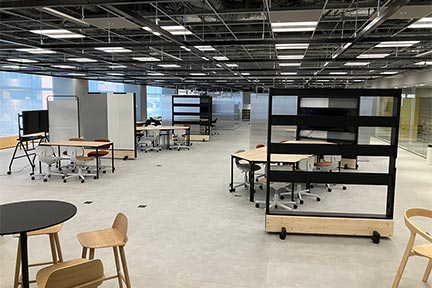
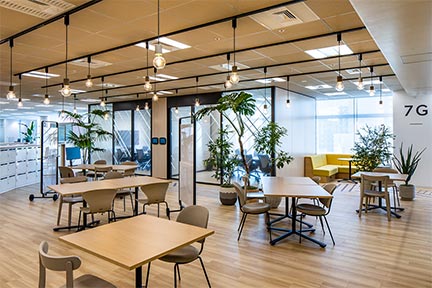
Along with promoting diverse and autonomous work styles, we have also significantly revamped our office environment. We have shifted from a fixed-desk system centered on daily collaboration with the same team members to a new setup featuring open-plan workspaces, collaborative areas suitable for meetings and events with both internal and external stakeholders and meeting rooms designed to support hybrid (in-person and online) formats. This allows each employee to work in the environment that best suits their individual work styles while maintaining flexible connections with a diverse range of colleagues.
Since 2013, in order to achieve a state in which every employee feels fulfillment in their work we have conducted an annual survey of domestic Group employees aimed at confirming changes in employee awareness and behavior. The results of the survey are used to identify and address Company-wide workplace environment issues. For example, we hold open forums and meetings with the president in which executives and employees engage in direct dialogue, thereby fostering an open and communicative environment.
Click here for results